Carbon Capture and Storage in Small-Scale Industrial Settings: A Case Study of Co₂ Emissions in a Bakery in Osun State, Nigeria
Keywords:
Carbon Capture, Atmospheric CO₂, Relative Humidity, Pressure, Bakery Environment CCS NigeriaAbstract
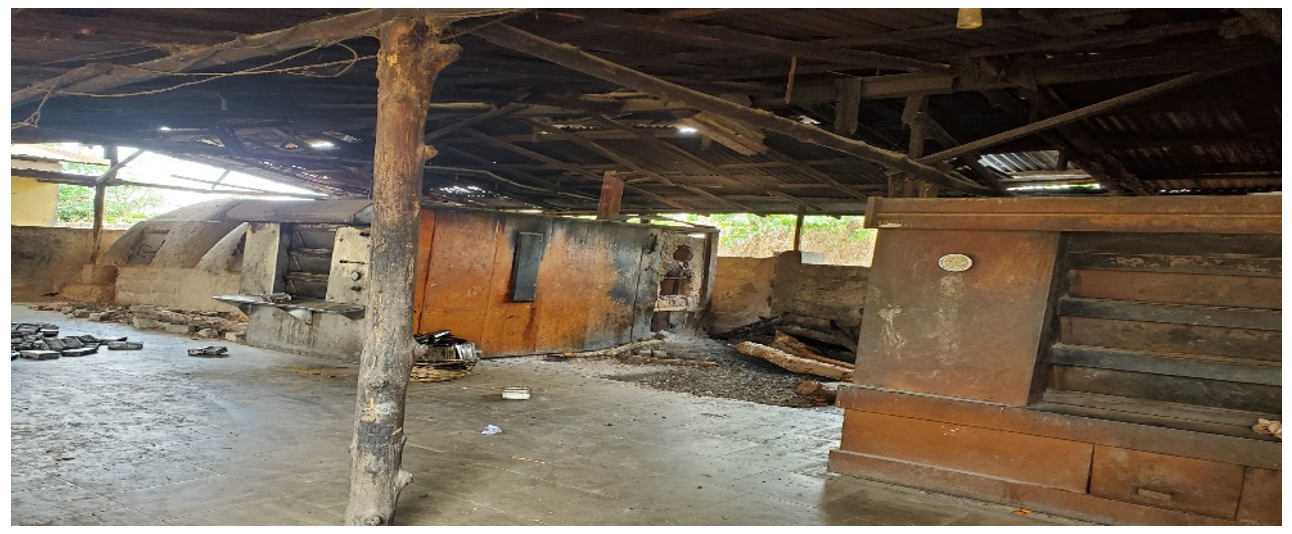
As global efforts intensify to mitigate climate change, Carbon Capture and Storage (CCS) has emerged as a critical technology for reducing atmospheric carbon dioxide (CO₂) emissions. While large-scale industrial applications have been extensively studied, smaller-scale environments, such as local industries, remain underexplored. This study focuses on in-situ atmospheric data collected from a bakery in Osun State, Nigeria, with the aim of understanding the potential for CCS implementation in small-scale settings. Using the PCE-AQD 50 device, daily measurements of CO₂, temperature, relative humidity, and pressure were recorded over a period of 58 days to examine their relationship with atmospheric CO₂ concentration levels. The study explores how environmental factors such as temperature, humidity, and pressure contribute to CO₂ fluctuations, and examines the feasibility of incorporating carbon capture technologies in such environments. However, this research not only highlights the role of localized, small-scale industrial environments in contributing to greenhouse gas emissions but also provides critical insights into optimizing CCS strategies for more sustainable urban settings. The study shows significant fluctuations in CO₂ concentrations, with peak levels during operational hours exceeding 1200 ppm. Statistical analysis revealed a strong positive correlation between CO₂ levels and temperature, while humidity inversely affected CO₂ concentrations. The findings suggest potential pathways for emission reduction through improved environmental management and CCS applications in Nigeria’s growing industrial sector, contributing to the broader global discourse on sustainable carbon management and climate change mitigation.
Published
How to Cite
Issue
Section
Copyright (c) 2026 Sherifdeen Oyedokun, Gbadebo Olatona

This work is licensed under a Creative Commons Attribution-NonCommercial 4.0 International License.